
A community engagement initiative of ROE #30
Spring | 2026
Harvesting Health, Learning, and Hope in Cobden
“They’re starting to understand how nutrition affects how they feel.”
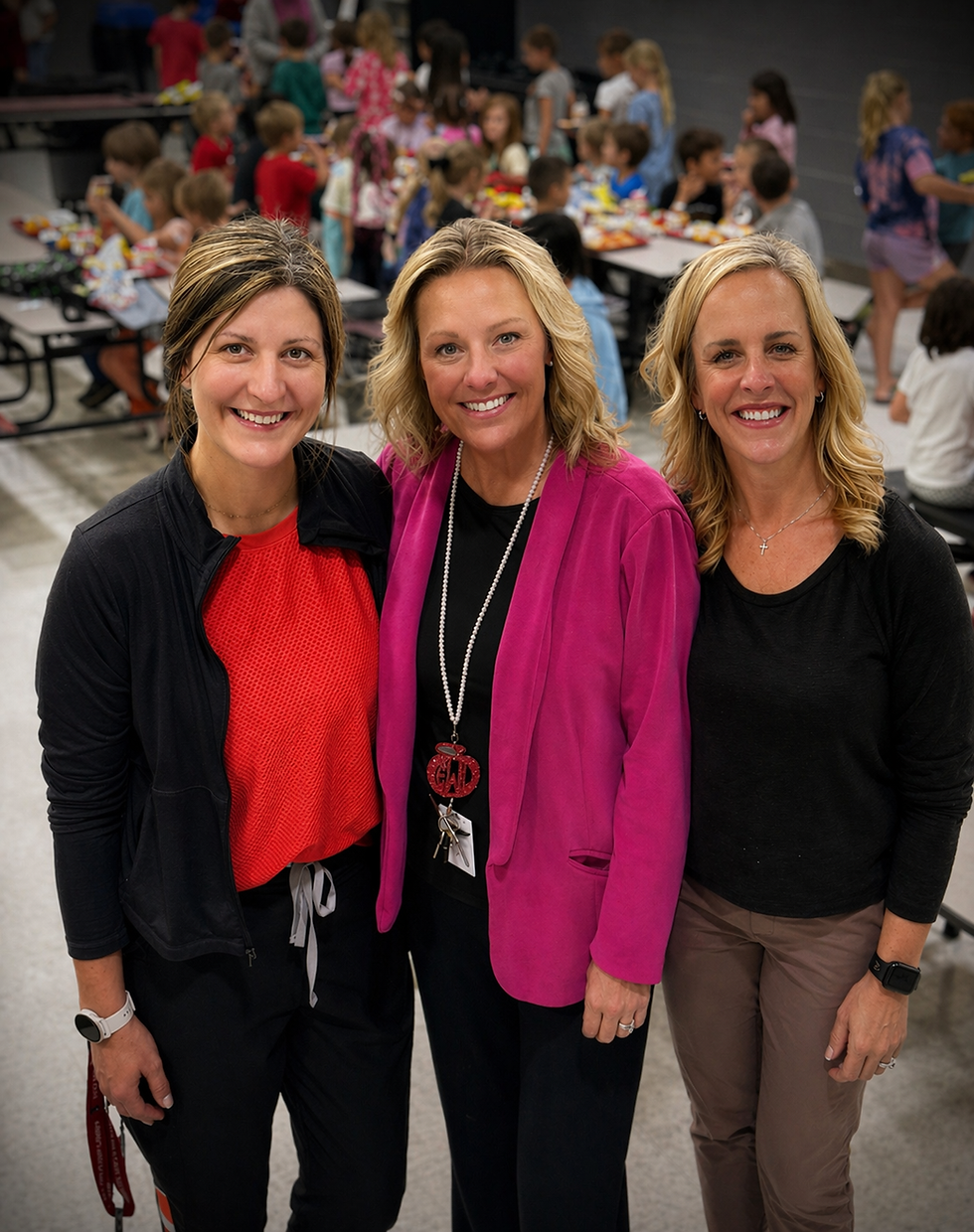
In Cobden, where orchards stretch across rolling hills and farms define the landscape, the connection between food and community has always been strong. Now, Cobden Unit School District 17 is strengthening that connection in a powerful new way—by transforming how students eat, learn, and thrive.
What began as a single grant opportunity has grown into a comprehensive effort to nourish students while supporting local farmers, improving health, and inspiring a new vision for school nutrition.
“We see nutrition as the foundation of education,” said Erin Wiltowski, Assistant Superintendent and Elementary Principal. “When students are well-fed with healthy, high-quality meals, they’re ready to learn, participate, and succeed.”
Cobden’s journey began when the district partnered with the Regional Office of Education through a scratch cooking initiative designed to help schools move away from processed, heat-and-serve meals and toward preparing fresh food on-site. Through the grant, Cobden began working with Beyond Green Partners, a Chicago-based organization that guides schools in transforming their kitchens, training staff, and building sustainable scratch cooking programs.
But first, Cobden had to build the foundation.
Like many schools, its kitchen was designed to reheat food—not cook it. Through grant funding and additional support, the district upgraded its equipment, adding new ovens, mixers, prep stations, and tools that made scratch cooking possible. Weekly planning meetings brought together administrators, cafeteria staff, and support personnel, creating a shared vision and steady progress.
Today, Cobden is achieving its goal of preparing at least 50 percent of its meals from scratch, with plans to continue expanding.
The effort goes far beyond improving cafeteria menus. Through the Local Food for Schools grant, the district has invested more than $80,000 into local farms, purchasing eggs, chicken, pork, yogurt, and bison from nearby producers.
“It’s important that we’re bringing healthy food to our kids while also giving back to the community,” Wiltowski said. “We’re helping sustain the farmers and the local economy at the same time.”
For Holly Gibson, the district nurse, the impact is evident in the health and well-being of students.
“When I first started, I was seeing a lot of kids with headaches and stomach aches that weren’t related to illness,” Gibson said. “As we’ve improved the quality of the food and helped students make healthier choices, I’ve seen those visits decrease. They’re starting to understand how nutrition affects how they feel.”
Students now have access to nutritious options throughout the day, including grab-and-go coolers filled with fresh fruits, protein, and healthy snacks. These changes ensure that students have the fuel they need not just to get through the school day, but to fully engage in their learning.
Equally important is helping students discover new foods and develop healthier habits. For many, scratch cooking has introduced flavors and ingredients they had never experienced before.
“There’s definitely been a learning curve,” said Allison Jackson, the district’s speech-language pathologist, who has worked closely with the initiative. “A lot of kids aren’t used to fresh, scratch-cooked meals. But when they try them, they realize they actually enjoy them. It’s exciting to see their willingness to explore new foods.”
A recent meal featuring locally sourced bison chili was met with enthusiasm, with more than 70 percent of students reporting that they liked it. Programs like the Fresh Fruit and Vegetable initiative also expose students to a wide range of produce, helping expand their tastes and encouraging lifelong healthy habits.
Cobden’s efforts are especially meaningful in a rural area where access to fresh food can be limited. By partnering with local farmers and hosting mobile farmers markets, the district is helping bridge that gap—not just for students, but for the entire community.
The work continues even beyond the school year. Summer meal programs ensure that students and families can access healthy, freshly prepared meals when school is not in session.
At its heart, Cobden’s effort is about more than food. It’s about creating a culture where students feel supported, where farmers are valued, and where education begins by meeting students’ most essential needs.
“We want our students to be healthy, confident, and ready to succeed,” Wiltowski said. “This is about nourishing their bodies, their minds, and their futures.”